

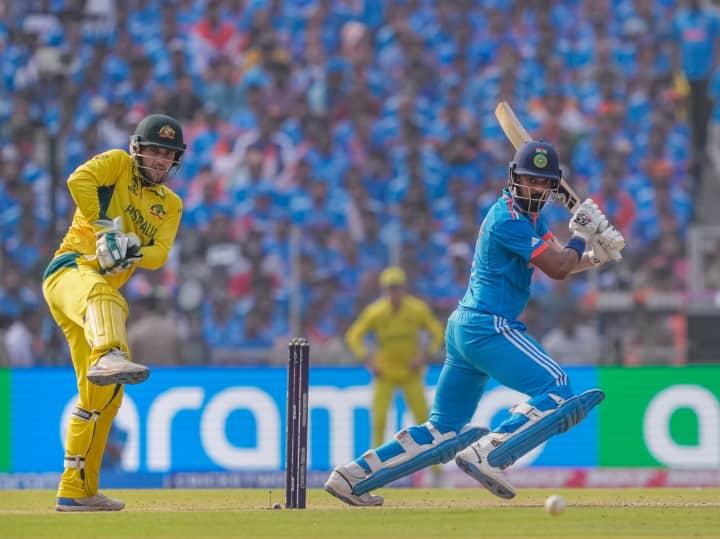
Cricket matches are influenced by a combination of team performance, player roles, playing conditions and tactical decisions. Looking at a single statistic rarely provides a complete picture of an upcoming fixture.
Cricket match analysis brings relevant information together to explain the context surrounding a game. At ExpertFreePrediction.com, our cricket content focuses on team form, player information, match conditions and important developments.
This guide explains the major factors readers can review when following a cricket match.
What Is Cricket Match Analysis?
Cricket match analysis is the process of reviewing available information about two teams before or during a match.
It may include recent results, batting and bowling performance, player availability, venue information, historical records and tactical considerations.
The aim is to understand the strengths, limitations and circumstances of each side rather than treating a prediction as a certain outcome.
1. Review Recent Team Form
Recent results provide a starting point for understanding a team’s performance.
Look beyond wins and losses. Consider the quality of the opposition, the margin of victory or defeat, the format played and the conditions under which each result occurred.
A team that performs well in one format may not have the same strengths in another. Test cricket, one-day internationals and T20 matches place different demands on batting, bowling and tactical decision-making.
Recent form can provide useful context, but a short run of results does not guarantee future performance.
2. Understand the Batting Line-Up
A team’s batting structure influences how it may approach different match situations.
Opening batters face the early overs, while middle-order players may need to rebuild an innings or increase the scoring rate. Lower-order batters can also contribute important runs depending on the match format and team composition.
When reviewing a batting line-up, consider batting positions, recent performances, partnerships and the team’s available batting depth.
Do not assume a player will occupy a particular position unless reliable team information supports that assessment.
3. Evaluate Bowling Resources
Bowling analysis should consider the roles and availability of the team’s bowlers.
Fast bowlers may be used with the new ball or during the final overs. Spinners may be deployed during particular match situations, depending on conditions and opposition strengths.
Useful information includes recent wickets, overs bowled, economy rate, bowling role and performance against comparable opponents.
Statistics should be interpreted alongside the conditions in which they were recorded. A bowler’s historical numbers cannot guarantee future wickets or a particular economy rate.
4. Check the Playing XI
Confirmed team selections can significantly change the context of a match.
Injuries, workload management, tactical changes and selection decisions may affect batting order, bowling options and overall team balance.
Before relying on a preview, check whether the line-up has been confirmed. Distinguish between official announcements and speculative probable teams.
If new information becomes available, a responsible analysis should be updated accordingly.
5. Understand Pitch and Weather Conditions
The playing surface and weather can influence how teams approach a match.
Pitch characteristics may affect bounce, movement, spin and scoring opportunities. Weather can affect playing time, visibility and ground conditions.
Venue history can be useful, but the surface and weather may differ from previous matches. Avoid assuming that every match at a particular ground will follow the same pattern.
Check recent pitch reporting and reliable local forecasts where possible.
6. Review Head-to-Head Records Carefully
Head-to-head statistics show how teams have performed against each other in previous encounters.
They may reveal useful context, but they also have limitations. Teams change over time, players move between squads and playing conditions vary.
Consider the dates, format and relevance of the matches being compared. A record from several years ago may not accurately represent the strengths of the current teams.
7. Identify Key Match Questions
Instead of asking only which team will win, consider questions that explain the fixture:
- Which team has more reliable batting depth?
- What roles are the main bowlers expected to perform?
- Are there important player availability concerns?
- How might the venue affect the playing conditions?
- What tactical challenges could each team face?
These questions encourage balanced analysis and make match previews more useful to readers.
Frequently Asked Questions
What factors matter in cricket match analysis?
Recent form, player availability, batting and bowling roles, pitch conditions, weather and relevant historical information can all provide context.
Is head-to-head history enough to predict a match?
No. Historical records are only one part of the analysis and cannot guarantee future results.
Why is the playing XI important?
It confirms which players are selected and helps clarify team balance and expected roles.
Where can I find cricket match previews?
ExpertFreePrediction.com may publish cricket match previews and related analysis. Check official sources for confirmed team announcements and match details.
Conclusion
A well-rounded cricket preview considers several factors instead of relying on one statistic or assumption. By reviewing form, player roles, team selections and playing conditions, readers can better understand the context surrounding an upcoming match.
Explore the Cricket section of ExpertFreePrediction.com for match-focused information and analysis. All previews are informational and do not guarantee match results.